Parenting guides · 10 October 2026 · 4 min read
Kids Dress Guide: Getting Fit, Fabric and Comfort Right
How to choose a kids dress that works beyond the photograph
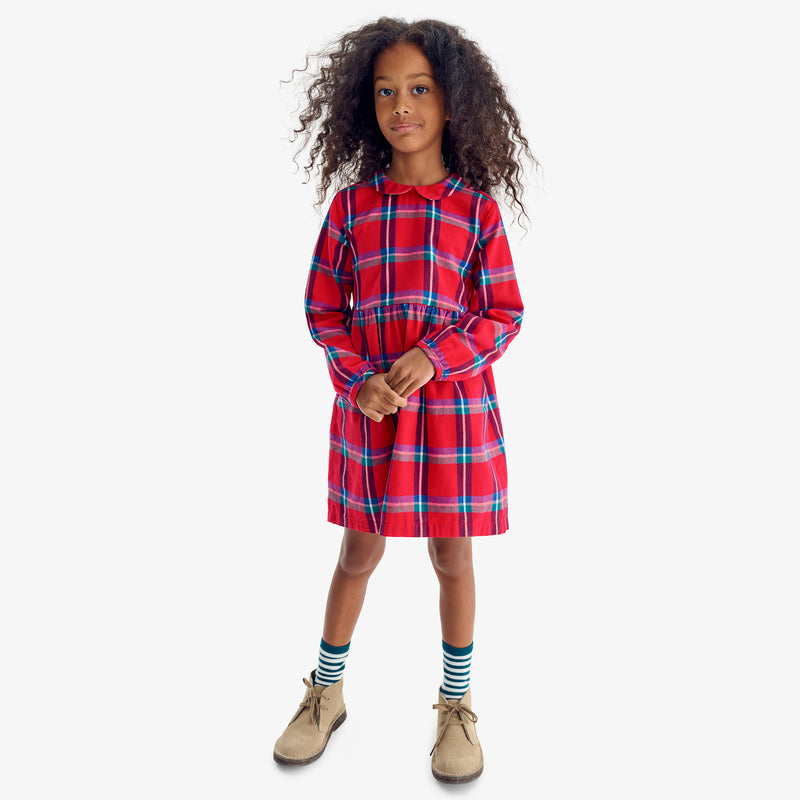
Choosing a kids dress starts with the day your child will actually have, not just the photograph you hope to take. A dress for nursery needs easy movement and quick toilet access; an outfit for a family wedding needs comfortable seams and secure decoration. Before browsing the Dresses collection, decide the main occasion, expected weather and likely wearing time. Then set a spending limit that includes any genuinely necessary layers or footwear.
Use this decision checklist before shortlisting: does the size chart match your child's measurements; is the fabric composition stated; can the child sit, squat and raise both arms; are fastenings manageable; and is the care routine realistic? Also check whether the hem stays clear of feet and whether trims feel scratchy. If an important detail is missing, ask for clarification rather than assuming a style name tells you everything about the garment.
Get the fit right from babyhood to age 14
For babies aged 0–12 months, prioritise easy head access, smooth inner seams and room around the nappy. Avoid loose decorations that could detach, and do not use a dress as sleepwear. For toddlers aged 1–3 years, check that the hem cannot catch under knees while crawling or under shoes on steps. A child learning to use the toilet benefits from a dress that lifts easily without complicated ties or multiple layers.
For ages 4–7, test playground movement and independent dressing; for ages 8–14, include the child's preferences about coverage and silhouette. Measure height without shoes, chest around the fullest part and the waist where the dress will sit. Compare these with the seller's chart, checking whether it lists body or garment measurements. Age labels are only a starting point. If between sizes, ask about fit rather than automatically sizing up, especially for structured bodices.
Match fabric and construction to your local Indian weather
For hot days, especially in humid coastal cities, look for lightweight, breathable fabric and a cut that lets air circulate. Cotton can be a practical starting point, but fibre content alone does not guarantee comfort: a dense weave, heavy lining or tight waist can make a dress feel warm. Check the lining composition too. Hold light fabric against the light to assess coverage, rather than adding a second heavy layer after purchase.
During the monsoon, consider how quickly a dress will dry in your home; thick layers can stay damp on indoor racks. In colder northern winters, sleeves alone are not enough: plan appropriate base layers, leggings and outerwear. For mild evenings or air-conditioned venues, a removable cardigan may be more useful than a heavy dress. Coastal December and Delhi December call for different wardrobes, so buy for local conditions rather than season labels.
Choose everyday and festive styles without sacrificing comfort
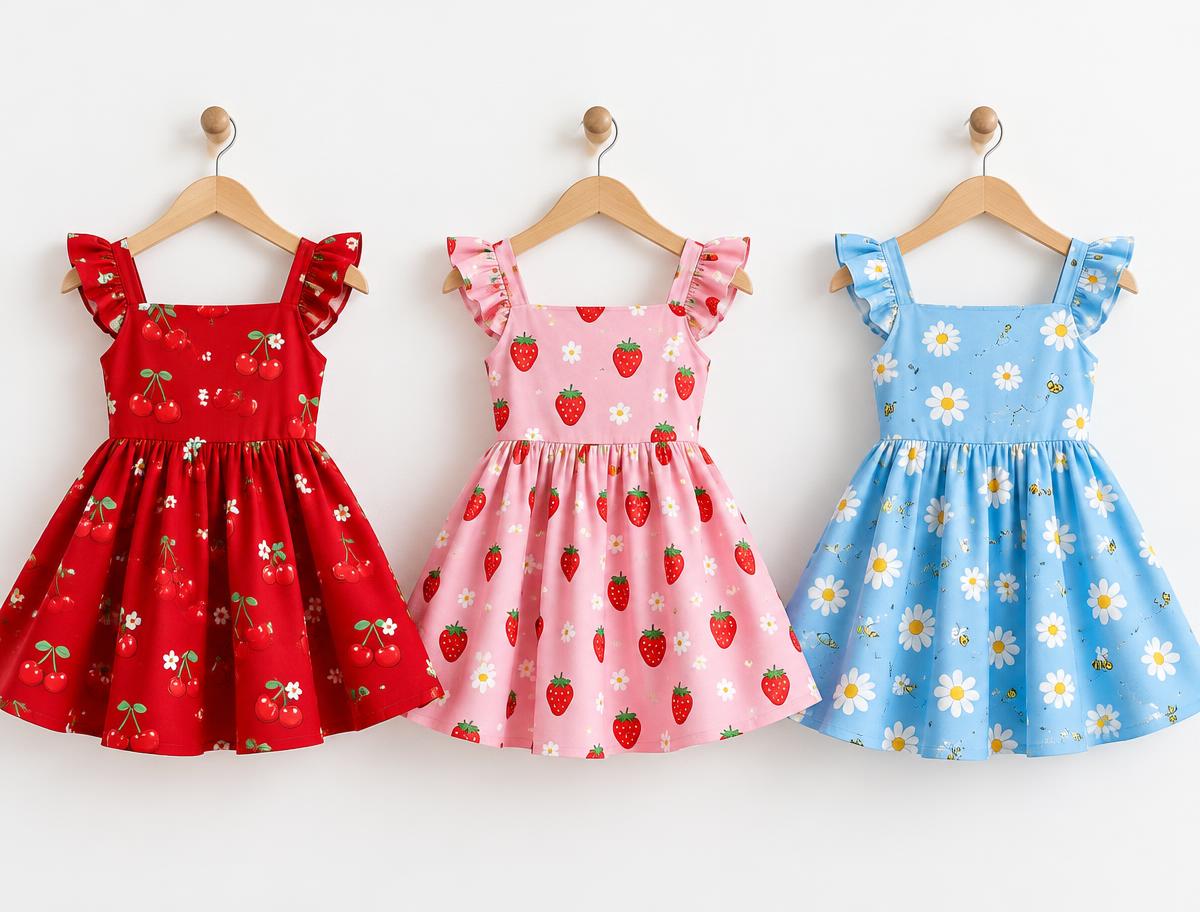
For everyday wear, compare washable styles with minimal fuss at the neck and waist. In the dressBebe Dresses collection, Kids long sleeve easy dress in stripe and Kids long sleeve easy dress in rainbow dots are options to investigate if sleeves suit the occasion. Kids pique polo dress 2-pack is worth considering when you need more than one dress. Check listed composition, measurements and care instructions before deciding; product names do not establish these details.
For birthdays or family functions, Kids tutu dress is an option to explore, but check lining, trim attachment and freedom of movement before choosing it. At Diwali gatherings, keep any dress away from diyas, candles and fireworks; loose hems and scarves need particular care. For weddings and Eid visits, assess comfort over several hours, including travel and meals. Younger children often benefit from a simple change of clothes rather than remaining in an elaborate outfit all day.
Budget for real use and avoid expensive buying mistakes
Set separate budgets for frequently worn dresses and occasional outfits. As a planning example, a ₹600 dress worn 20 times costs ₹30 per wear, while a ₹1,200 dress worn three times costs ₹400 per wear; these are illustrative amounts, not dressBebe prices. Include laundering needs and missing layers in your comparison. A dress that works with shoes and leggings your child already owns can be better value than a cheaper one requiring a complete new outfit.
Common mistakes include buying several sizes ahead, duplicating party dresses and adding an unwanted item just to reach a delivery threshold. At dressBebe, ordering is by order request, and the team confirms stock and delivery. Free delivery applies to orders over ₹999; check the final order value rather than assuming ₹999 qualifies. Before submitting a request, confirm the required size and clarify delivery arrangements, particularly when shopping for a fixed-date celebration.
Care for dresses so they stay comfortable and wearable
Read the care label before the first wash, especially for lined dresses, prints and decorative layers. Separate light and dark colours, close fastenings and use a laundry bag for delicate garments only when their instructions permit machine washing. Treat food marks promptly by blotting and following label-safe cleaning instructions; avoid vigorous rubbing over prints. Test any stain treatment on a hidden area, and do not assume hot water is suitable for every mark or fabric.
Dry dresses fully before putting them away, particularly during humid weather. Follow the label on drying and ironing; avoid direct heat on prints or trims unless explicitly permitted. Check seams, buttons and embellishments regularly, removing the garment from use if parts are loose or sharp. Reassess fit when you notice pulling, rising hems or dressing resistance. Repair sound garments where practical, and pass them on only when clean, safe and in usable condition.
Quick takeaways
- Measure your child and check whether the size chart gives body or garment measurements.
- Check lining and fabric weight, not just the outer fabric name.
- Test sitting, squatting, arm movement and toilet access before keeping a dress.
- Budget for wear frequency and existing accessories, not just the purchase price.
- Submit an order request with the required size; dressBebe confirms stock and delivery.
Parents also ask
What size kids dress should I buy if my child is between sizes?
Start with the measurements that matter to the design: chest and waist for a fitted bodice, plus length for any style. Check whether the chart describes the body or the garment. A larger size may work only if the neckline, shoulders and hem remain safe and comfortable. Ask for sizing clarification rather than relying on age alone.
Which fabric is best for kids dresses in Indian summer?
Lightweight, breathable cotton is often a useful starting point, but check the weave, lining and fit as well. A thick cotton dress can feel warmer than a lighter construction. For hot, humid days, favour airflow and avoid unnecessary layers. Children with sensitive skin may also need soft seams and non-scratchy labels, regardless of fibre content.
How do I choose a comfortable festive dress for a toddler?
Look for easy movement, a hem clear of the feet and fastenings that make changes manageable. Check the inside of the bodice and waist for rough seams, and avoid loose beads or other detachable decorations. Try the complete outfit before the event. Pack a comfortable spare, and keep clothing well away from flames during celebrations.
How many everyday dresses does a child need?
Base the number on actual dress-wearing days and your laundry schedule. If your child wears a dress three days between washes, three everyday dresses plus a spare may be a workable starting point. Allow extra drying time during the monsoon. Buy gradually as needs become clear, rather than stocking multiple sizes or occasional outfits in advance.
Shop the collection
Everything in this article comes from our Dresses collection — exact colors and sizes on every product page.