Parenting guides · 12 October 2026 · 4 min read
Baby Boy Dress: What to Buy for Comfort, Fit and Weather
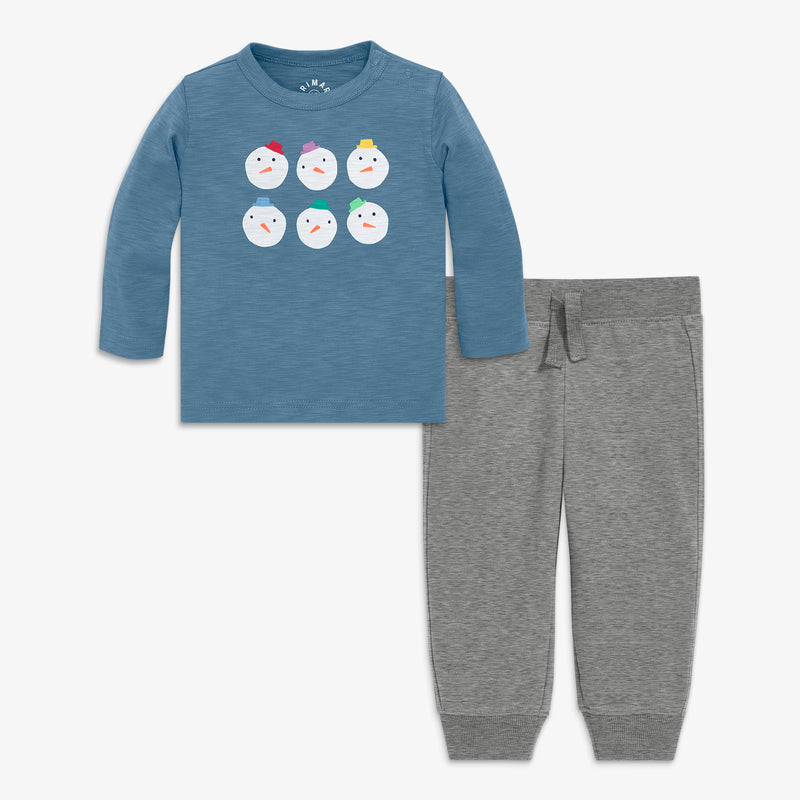
Choosing a baby boy dress: start with the daily routine
Searching for a baby boy dress usually means finding a complete outfit, whether for everyday wear, a family visit or a first festival. Start with what your baby will actually do in it: sleep, feed, roll, crawl or walk. An outfit that looks lovely but needs several fastenings undone at every nappy change can quickly become the least-used item in the cupboard.
For newborns, prioritise easy nappy access and neck openings that do not need tugging over the head. For crawling babies, choose flexible outfits without long hems that catch under knees. For early walkers, check that trouser legs stay above the soles. Keep occasion clothing separate from everyday essentials, and assess the garment’s inside seams, closures and stretch before deciding that a matching set is practical.
Match size to measurements, not just age labels
Age bands such as 0–3, 3–6 and 6–12 months are starting points, not guarantees. Measure your baby’s length or standing height, chest and waist, then compare with the seller’s size chart. Establish whether the chart describes body measurements or finished garments; they are not interchangeable. For one-piece outfits, also check torso room over a nappy, since a short body can pull at the shoulders and crotch.
At 0–6 months, check that cuffs do not cover the hands excessively and waistbands leave no persistent pressure marks. At 6–12 months, test room for sitting, rolling and crawling. At 12–24 months, check the crotch and knees during squatting. Size up only if the larger garment remains secure at the neck and waist; oversized clothes are not automatically more comfortable, and loose hems can interfere with movement.
Choose fabrics and layers for Indian weather
For hot or humid weather, look for lightweight, breathable fabrics and an unfussy fit. Cotton is often a useful everyday option, but thickness, weave and construction matter as much as the fibre label. A dense cotton outfit may feel warmer than a lighter garment. Feel inside for scratchy seams, stiff prints and bulky labels, especially where clothing touches the neck, underarms and waistband.
During the monsoon, keep spare outfits available and choose pieces that can dry fully between wears; damp clothes should not go back on a baby. In colder regions, use removable layers rather than one cumbersome outfit. Coastal winters and northern winters need different wardrobes, while air-conditioned rooms may call for a light extra layer. Check the chest or upper back for excess warmth rather than relying on cool hands alone.
Make festive outfits comfortable and safer
For Diwali, Eid, weddings or a first birthday, choose one dressed-up element rather than several restrictive layers. A soft festive top with comfortable bottoms may be easier to manage than a stiff, heavily embellished outfit. Check embroidery backing against the skin and avoid loose beads, sequins, long cords or easily detached decorations. Keep babies well away from diyas, candles and fireworks, regardless of the fabric they wear.
Try occasion clothes on before the event, including a nappy change and a few minutes of normal movement. Check whether the neckline opens easily and whether sitting makes the waistband dig in. Pack a familiar spare outfit for spills, heat or irritation. Change into suitable sleepwear before sleep, removing accessories and unnecessary layers; a photo-ready outfit should not automatically become an outfit for an overnight stay.
Build a small wardrobe without wasting your budget
Base quantities on laundry frequency rather than a fixed newborn shopping list. For example, two changes daily with washing every two days means four changes in circulation, plus a small reserve for leaks and delayed drying. Treat that as a planning example, not a rule. Buy a modest number in the current size, then reassess fit before purchasing more; growth and daily changing needs vary considerably.
Compare total outfit costs: a ₹600 set worn 20 times costs ₹30 per wear, while a ₹1,200 outfit worn twice costs ₹600 per wear. These are illustrative prices, not dressBebe prices. When browsing Baby Basics, consider Baby rainbow snowman tee & jogger set or Baby penguin tee & jogger set, checking their listed details before choosing. dressBebe orders are placed by order request; the team confirms stock and delivery. Free delivery applies over ₹999.
Wash well and use this final buying checklist
Wash new clothes before first wear, following their care labels. Use a suitable detergent in the recommended amount and rinse thoroughly; more detergent does not mean cleaner clothing. If skin is easily irritated, consider fragrance-free detergent and seek medical advice for persistent rashes. Treat food and nappy stains promptly, avoid scrubbing delicate prints, and dry garments completely. Recheck fit after washing because some fabrics can shrink.
Before sending an order request, check six things: current measurements, nappy room, easy openings, weather suitability, secure trims and manageable washing instructions. Confirm the complete price and ask about any unclear size or fabric details. Avoid buying by age label alone, assuming a gift set contains particular items, or adding unnecessary clothes just to reach free delivery. For date-specific occasions, ask the team to confirm delivery arrangements before relying on an outfit.
Parents also ask
What size baby boy dress should I buy for a 6-month-old?
Start with your baby’s current length, chest and waist measurements, then compare them with the item’s size chart. A 6-month-old may fit different age bands across brands. Allow room for a nappy and free movement, but avoid a neckline that slips or trouser legs that bunch under the feet.
Which fabric is best for baby boy clothes in an Indian summer?
Lightweight, breathable cotton is often a practical starting point, particularly in hot, humid conditions. Check the fabric’s thickness and the garment’s lining too: a heavy or multilayered cotton outfit can still feel warm. Choose comfortable openings and soft seams, and change clothing if it becomes damp with sweat.
How many everyday outfits does a newborn baby boy need?
Estimate daily changes, multiply by the number of days between washes, and add a small reserve for drying delays or leaks. If you use two outfits daily and wash every two days, four outfits cover that cycle before adding reserves. Start small because feeding mess, nappy leaks and growth vary.
Should I buy baby clothes one size bigger to save money?
Only if the larger size still fits safely and comfortably. The neckline should stay in place, the waist should hold without tightening excessively, and hems should not obstruct movement. Check the brand’s measurements rather than automatically moving up an age band. For sleepwear, follow the garment’s fit guidance instead of deliberately oversizing.
Shop the collection
Everything in this article comes from our Baby Basics collection — exact colors and sizes on every product page.