Parenting guides · 30 October 2026 · 4 min read
Kids Dress for Boys: Smart Choices for Indian Weather
Choosing a Kids Dress for Boys: Start With the Occasion
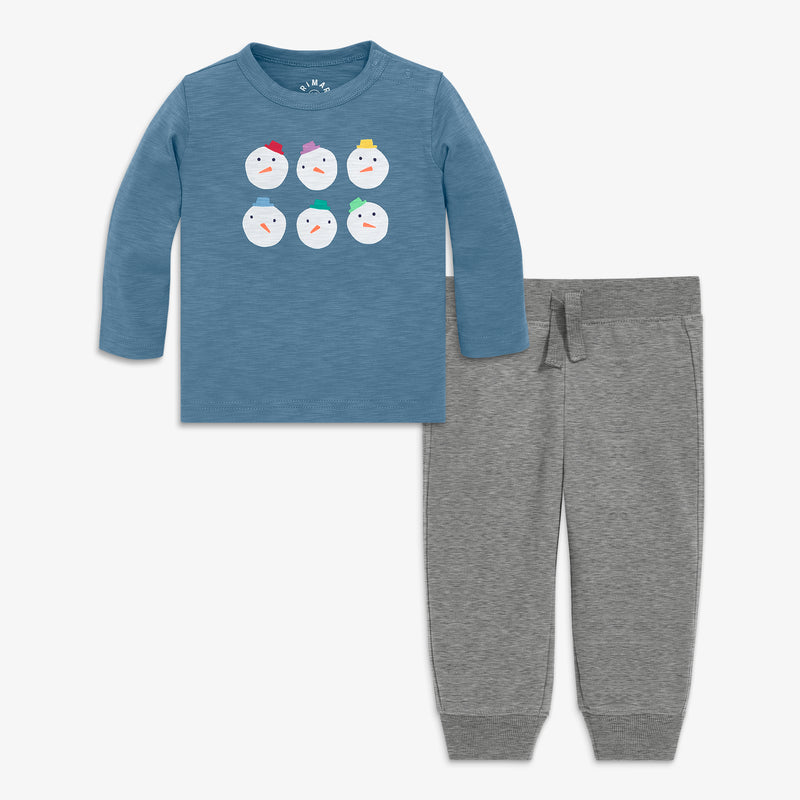
Searching for kids dress for boys can mean everyday clothes, a birthday outfit or festive wear. In Indian shopping usage, “dress” often means a complete outfit rather than a particular garment shape. Before choosing, write down three things: where your child will wear it, the likely temperature and how active he will be. A comfortable outfit for a two-hour indoor party may be unsuitable for a full afternoon of outdoor play.
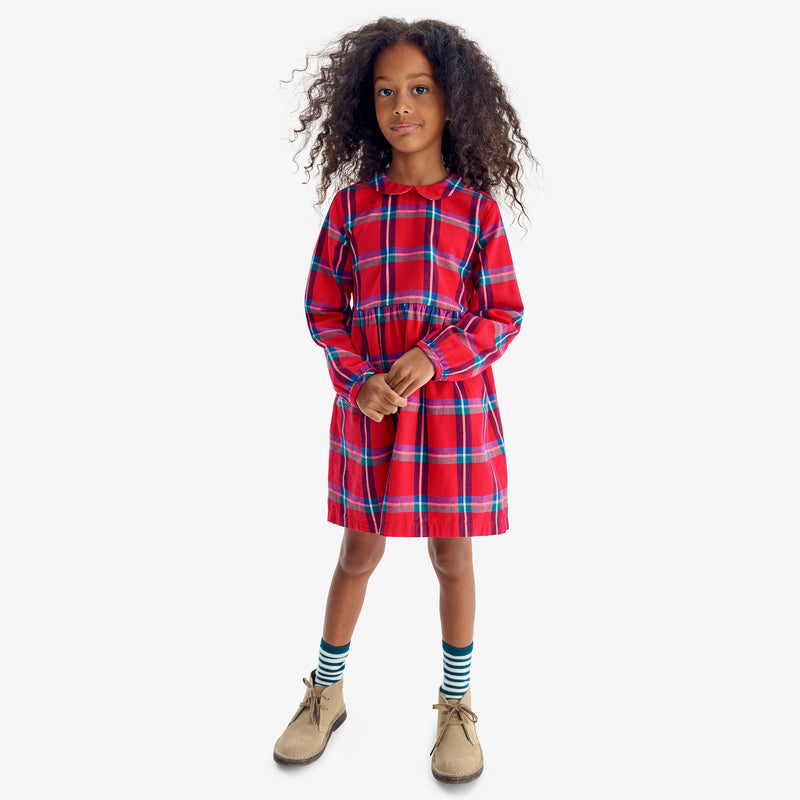
For daily use, prioritise washable pieces, easy dressing and freedom to squat, run and sit cross-legged. For celebrations, begin with the same comfortable base and add one dressier element rather than several heavy layers. If your child wants a dress silhouette, apply the same practical checks. When browsing the Dresses collection, inspect the actual garment shape, measurements and description; a collection label alone cannot tell you whether an item suits your intended outfit.
Fit by Age: What to Check From Newborn to 14 Years
For 0–12 months, allow room around the nappy and choose openings that make changes straightforward. Check that necklines pass comfortably over the head without force. For ages 1–3, pull-on waists and simple fastenings make toilet training easier; hems should stay clear of the feet. At ages 4–7, test school-day movements: reaching overhead, bending and sitting on the floor. Avoid stiff waistbands that become uncomfortable when a child sits, even if they look neat while standing.
For ages 8–14, involve your child in choosing fit and style because preferences and body proportions vary widely. At every age, measure height, chest and waist with a flexible tape, keeping it level without pulling tight. Check the seller’s chart and whether it gives body or garment measurements. Compare garment measurements with a well-fitting item laid flat. If your child falls between sizes, prioritise chest, waist and length rather than automatically buying a much larger size.
Choose Fabric and Layers for Your Local Indian Climate
In hot or humid weather, start with lightweight, breathable clothing that sits away from the body. Cotton can be comfortable, but fibre content alone is not enough: a thick cotton sweatshirt can feel hotter than a light woven garment. Check fabric weight, lining, sleeve length and looseness together. For outdoor play, favour coverage that does not trap excessive heat. A spare top is useful after sweaty travel or energetic games, especially for younger children.
During the monsoon, choose pieces you can wash and dry completely between wears; dense fabrics and multiple layers may dry slowly in humid homes. Keep a dry change available for wet commutes. In colder northern winters, combine a comfortable base, insulating middle layer and suitable outerwear, adjusting indoors. A coastal city’s December wardrobe may need far less insulation. For air-conditioned venues, a removable light layer is more adaptable than one heavy outfit.
Festivals and Parties: Dress Up Without Restricting Movement
For Diwali, Eid, weddings or birthday parties, plan around the venue and duration before choosing the look. A soft kurta-style outfit or comfortable separates can work well if the cut allows movement and the inner surface feels smooth. Check embroidery, labels and seams against the skin, especially at the neck and underarms. Let your child wear the complete outfit at home long enough to sit, walk and use the toilet before removing any return-related tags.
Avoid loose cords around the neck, trailing hems and easily detached decorative parts, particularly for babies and toddlers. Around diyas, candles or cooking areas, keep children supervised and clothing away from flames; no everyday outfit should be treated as fire-safe. Bring simple backup clothes for long celebrations. Common mistakes include buying only for photographs, choosing stiff new shoes alongside unfamiliar clothing and leaving the first full try-on until the event morning.
Budget for Repeat Wear and Care Clothes Properly
Set a wardrobe budget before browsing and divide it by real needs: daily wear, weather layers and occasional celebrations. As a simple comparison, a ₹600 outfit worn 20 times costs ₹30 per wear, while a ₹1,200 outfit worn twice costs ₹600 per wear, excluding care costs. This is a planning example, not a product price claim. Spend more where repeated washing, comfortable fit and frequent use justify it, rather than buying several outfits for one event.
Follow each garment’s care label rather than applying one washing method to everything. Treat food stains promptly with a fabric-appropriate method, wash similar colours together and close fastenings that could snag other clothes. Avoid high heat unless the label permits it, since shrinkage can turn a good fit into a tight one. Dry garments fully before storing, especially during humid months. Store outgrown clothes separately so you can see what still fits before buying duplicates.
Your Final Buying Checklist and Order-Request Steps
Before ordering, check seven points: intended use, current measurements, fabric composition, lining, fastening placement, care instructions and compatibility with clothes already owned. Ask for clarification when information is missing instead of assuming that “soft,” “summer” or an age range guarantees suitability. Look for growth room that does not create slipping waistbands or sleeves covering the hands. For babies and toddlers, give particular attention to secure attachments and easy nappy changes or toilet access.
At dressBebe, place an order request; the team confirms stock and delivery. For a dated celebration, ask about availability and delivery before treating the outfit as arranged. Free delivery applies to orders over ₹999, but adding an unnecessary item solely to reach that threshold may not save money overall. Check the applicable exchange or return terms before ordering, and compare your final selection against your checklist rather than relying on photographs alone.
Parents also ask
How do I choose the right clothing size for my boy online?
Measure height, chest and waist, then compare them with the specific size chart. Check whether the chart lists body measurements or garment measurements; these are not interchangeable. For garment measurements, compare with a well-fitting item laid flat. Consider nappy space for babies and comfortable seated waist fit for older children rather than choosing by age alone.
Which fabric is best for boys’ clothes in Indian summers?
Lightweight cotton is often a useful starting point, but check the whole garment. A thick fabric, tight cut or heavy lining can make even cotton clothing uncomfortable in heat. Look for a breathable construction, relaxed movement and minimal unnecessary layers. Choose care requirements that suit frequent washing, and keep a change available when clothes become sweaty.
Should I buy one size bigger so my child can grow into it?
Not automatically. Slight growth room can be useful, but oversized clothes may slip at the waist, cover the hands or create a tripping risk. Compare actual measurements and check the areas that control fit, especially the shoulders, chest and waist. If sizing up makes those areas awkward, choose a better-fitting cut rather than accepting excessive length.
What should a boy wear to an Indian festival or wedding?
Choose an outfit that suits the weather, venue and length of the event. A comfortable kurta-style outfit or dressier separates can be practical when the fabric feels smooth and the cut allows sitting and playing. Test toilet access and fastenings beforehand. Keep removable layers available for air-conditioning and pack a simple change for younger children.
Shop the collection
Everything in this article comes from our Dresses collection — exact colors and sizes on every product page.