Parenting guides · 2 November 2026 · 4 min read
Kids Wear: Choosing Comfortable Underwear for Every Age
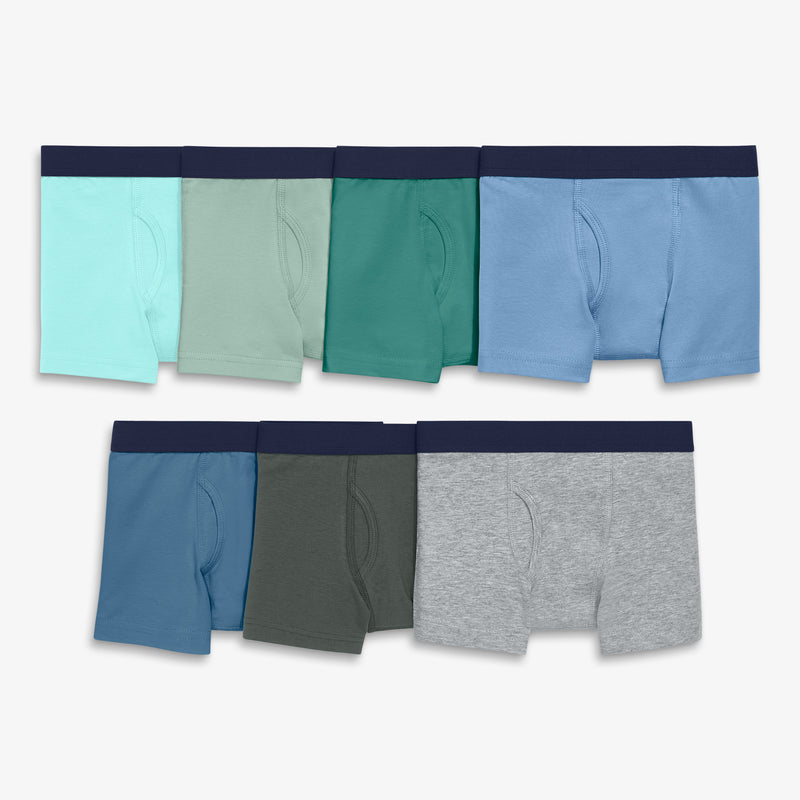
Kids wear starts with a comfortable underwear layer
When shopping for kids wear, underwear deserves as much attention as the clothes people see. A waistband that digs in or leg openings that rub can distract a child throughout school, play and travel. Start with the child’s routine: nappies, toilet training, long school hours or active outdoor play. The best choice is the one that fits comfortably and lets the child move and use the toilet easily.
Briefs offer coverage without fabric extending down the thighs, which can suit shorter shorts or close-fitting trousers. Boxer briefs add thigh coverage, but poorly fitting legs may bunch or ride up. Bikini-cut underwear generally has a lower rise and narrower sides than a traditional brief; actual coverage varies. None is automatically better for every child. Ask where the child feels pressure, rubbing or slipping before choosing a style.
Choose by development and measurements, not age alone
For babies still wearing nappies, separate underwear is usually unnecessary; focus on a comfortable nappy fit and clothing with room around it. During toilet training, often in the toddler or preschool years, choose waistbands children can pull down themselves. Ordinary underwear is not absorbent protection like a nappy. Keep spare pairs available and change wet or soiled underwear promptly, rather than expecting a thicker pair to contain accidents.
For roughly ages 4–8, practise independent dressing and check that seams do not rub during sitting or squatting. For ages 9–14, let children guide coverage and style preferences, and recheck fit during growth spurts. Measure the waist and, if requested, hips with a flexible tape held snugly without squeezing. Follow the item’s size chart rather than assuming an age label or a familiar size will fit.
Match fabric and coverage to Indian weather
Check the listed fibre composition before buying; a product name does not establish its material. Cotton-rich options can feel comfortable for everyday use, while some stretch can help underwear retain its shape. Also inspect seam placement, label position and the softness of elastic. Fabric thickness matters: a bulky pair under a fitted school uniform may feel warmer and bunch more than a lighter, well-fitting option.
In hot summers and humid monsoons, prioritise comfortable airflow and change underwear after it becomes sweaty or wet. Cotton absorbs moisture but may dry more slowly than some synthetic blends, so consider your drying conditions too. During winter, add warmth through outer layers rather than tight underwear. Under Diwali outfits, wedding clothes or layered occasionwear, try the full outfit beforehand to check for waist pressure, visible edges and rubbing.
Buy useful pack quantities without wasting your budget
Estimate quantity from your washing routine: one fresh pair daily, additional pairs for accidents or sweaty activities, and a reserve for drying delays. For example, washing every three days with another day needed for drying means a child needs at least four pairs in rotation before adding spares. Monsoon drying delays and toilet training can increase that requirement. Avoid buying many packs before checking the cut and size.
At dressBebe, options include Kids brief 7-pack in solid neutral mix, Kids boxer brief 7-pack in solid rainbow mix and Kids FlexLite boxer brief 3-pack. Check each listing’s composition, size guidance and current price. Divide the price in rupees by the number of pairs to compare unit costs. Place an order request; the team confirms stock and delivery. Delivery is free over ₹999, but avoid unnecessary purchases solely to cross that threshold.
Wash gently, dry fully and know when to replace
Follow the care label for wash temperature, detergent and drying instructions. Remove any solid soiling before washing, and wash wet or soiled pairs promptly rather than leaving them damp in a pile. Use the recommended detergent amount and rinse thoroughly; extra detergent is not a substitute for effective washing. If a child’s skin seems sensitive to laundry products, consider a fragrance-free detergent and seek advice if irritation persists.
Dry underwear completely before putting it away, especially during humid weather. Use a well-ventilated drying space and avoid direct high heat unless the care label allows it. Replace pairs with stretched elastic, holes, rough seams or a fit that no longer works. Do not simply size up to solve every complaint: recurring itching, pain, discharge or a persistent rash needs medical advice, not repeated changes of underwear style.
Use this fit checklist and avoid common buying mistakes
Before ordering, check five things: current measurements, the item’s size chart, listed fabric composition, the child’s preferred coverage and your laundry rotation. Also check the retailer’s underwear return or exchange policy before opening packaging or trying items on. Where a try-on is permitted, have the child sit, squat and walk. The waistband should stay in place without digging in, and leg openings should neither pinch nor gape.
Common mistakes include choosing only by age, buying oversized pairs for future growth, and assuming every style fits alike. Extra fabric can bunch, while a too-small pair can restrict movement and leave uncomfortable marks. Do not buy an unfamiliar cut in bulk just because its per-pair price is lower. Keep one well-fitting pair’s labelled size and brand details as a reference, but still compare measurements when switching products.
Parents also ask
What fabric is best for kids’ underwear in Indian summers?
Cotton-rich underwear is a useful everyday starting point because it absorbs moisture and can feel comfortable against the skin. However, weave, thickness, fit and drying time also matter. Check the actual fibre composition and avoid overly tight styles. Change sweaty underwear rather than expecting any fabric to stay comfortable when damp.
Are briefs or boxer briefs better for children?
Neither style is universally better. Briefs leave the thighs uncovered and can work well under shorter or fitted clothing. Boxer briefs provide more thigh coverage, but their legs can ride up if the cut or size is unsuitable. Let your child test comfort during sitting, walking and squatting before buying several packs.
How many pairs of underwear does a child need?
Count the days between washes, add drying time, then include spares for accidents, sport and unexpected delays. A child needs a fresh pair daily and a change whenever underwear becomes wet or soiled. Seven pairs may cover a basic weekly rotation, but toilet training or slow monsoon drying can require more.
Should I buy kids’ underwear one size bigger?
Not automatically. Oversized underwear may slip, gape or bunch beneath clothes. Choose using current measurements and the product’s chart. If your child falls between sizes, follow any listing guidance and check waist, hip and leg-opening comfort. A larger size is useful only if it fits properly now, not merely because it allows growth.
Shop the collection
Everything in this article comes from our Underwear collection — exact colors and sizes on every product page.