Parenting guides · 4 November 2026 · 4 min read
Baby Dress Essentials: A Practical First-Wardrobe Plan
Choose a baby dress around the day it needs to handle
Choosing a baby dress is easier when you start with everyday needs rather than a photograph. Parents use the term for everything from a frock to a coordinated outfit, but the same checks apply: can your baby move freely, can you change a nappy easily, and does the outfit suit the room temperature? A special-occasion look and an everyday outfit do not need the same features.
Build the daily wardrobe first. As a starting point, keep six to eight everyday outfits when you wash frequently, then adjust for spit-up, nappy leaks and drying time. Add a small number of outing outfits rather than a second complete wardrobe. In a humid monsoon, a modest extra rotation may be more useful than expensive occasionwear that gets worn only once.
Use age as a guide, but measurements as the deciding factor
For newborns and babies up to three months, prioritise wide neck openings or front openings that reduce pulling clothes over the head. Check that fasteners are secure and that the crotch closes comfortably over a nappy. At three to six months, allow easy arm movement and room for kicking. Size labels such as 0–3 months are starting points, not a guarantee of fit across brands.
From six to twelve months, sitting and crawling make flexible waistbands and clear knee movement important; long frock hems can get trapped under crawling knees. From twelve to twenty-four months, check walking clearance and whether trousers stay up during squatting. Measure height and chest, then compare with the seller’s chart. Ask whether measurements describe the child or the garment. Buying far ahead often creates unsafe hems and awkward sleeves.
Match fabrics and layers to your part of India
For hot weather, start by checking the fibre label and fabric weight. Lightweight cotton is often a practical choice for everyday wear, but a thick cotton outfit can still feel warm. Feel the inside seams and check whether printed areas are stiff against skin. In coastal humidity, choose easy-to-change outfits and replace damp clothing promptly; breathable fabric is not helpful if it stays wet against the body.
During the monsoon, favour washable pieces that can dry completely in your home. For north Indian winters or cool hill weather, use removable layers rather than relying on one bulky outfit. An air-conditioned room may need a different combination from an outdoor afternoon. Check the chest or upper back for warmth and sweating rather than judging by hands alone. Do not cover a baby’s head indoors for sleep.
Keep festive dressing comfortable and age-appropriate
For Diwali, Eid, weddings or a first birthday, inspect the inside of the outfit as carefully as the outside. Embroidery backing, scratchy net and stiff seams can irritate skin during a long event. Avoid loose beads, detachable ornaments and neck cords. If choosing a frock, check that its hem does not obstruct crawling or walking. Keep all clothing away from diyas, candles and other flames.
Try the outfit on before the occasion, including the nappy and any planned layers. Practise a full nappy change: an elaborate fastening arrangement becomes frustrating in an unfamiliar washroom. Pack a comfortable spare and change your baby if they become sweaty or unsettled. Remove decorative accessories before sleep and change into appropriate sleepwear. A festive photograph does not justify keeping an uncomfortable outfit on throughout the day.
Budget for a useful wardrobe, not just a low price
Divide your budget into daily essentials, weather-specific layers and occasional extras, in that order. For example, with ₹3,000 available, you might reserve ₹2,000 for daily clothes, ₹600 for seasonal needs and ₹400 for an extra outfit or replacements. This is a planning example, not a product-price estimate. Before buying, count usable gifts and hand-me-downs, checking their fit, condition and fasteners rather than assuming every piece is ready to wear.
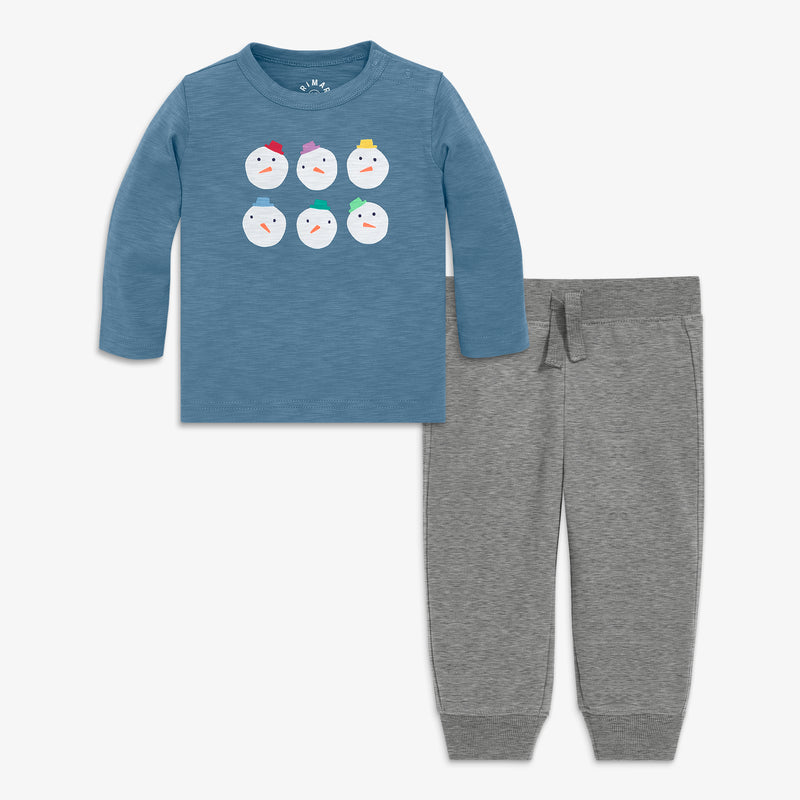
When browsing dressBebe’s Baby Basics collection, compare the Baby rainbow snowman tee & jogger set or Baby penguin tee & jogger set with the gaps in your wardrobe. Confirm fabric, sizing and care details rather than inferring warmth from a design name. dressBebe ordering works by order request; the team confirms stock and delivery. Free delivery applies over ₹999, but adding an unnecessary outfit just to cross that threshold may not save money.
Wash gently and check clothes as your baby grows
Wash new baby clothes before first wear, following the garment’s care label. Use the recommended detergent quantity and rinse thoroughly; adding extra detergent can leave residue. If your baby has sensitive skin, consider a fragrance-free detergent and watch for irritation. Remove solid mess before washing and address milk or food stains promptly. Avoid using strong stain treatments without checking whether they are suitable for the fabric and can be rinsed out fully.
Dry garments completely before folding, especially during humid weather. After washing, inspect snaps, buttons, seams and elastic, and recheck fit if the fabric has shrunk. Retire clothing with loose small parts or damaged fasteners until repaired safely. Frequent buying mistakes include stocking too many newborn sizes, ignoring drying time and assuming a larger size will always work. Sort the wardrobe regularly so outgrown items do not crowd out useful ones.
Run this final buying checklist before ordering
Check five things together: current measurements, movement, changing access, weather suitability and maintenance. Can your baby bend both knees and lift both arms? Does the neckline open without a struggle? Can the nappy be changed without removing every layer? Is the outfit suitable for the place it will actually be worn? Finally, can you wash and dry it using your normal routine rather than special handling you cannot sustain?
Before submitting an order request, verify the size chart, listed fabric, care instructions and any applicable return or exchange terms. For an upcoming festival, ask the dressBebe team to confirm stock and delivery before making plans around the outfit. Buy for your baby’s current needs, with sensible movement room rather than excessive growth room. The best choice is an outfit that earns repeat wear, not simply one that looks appealing online.
Parents also ask
What size baby dress should I buy for a newborn?
Start with the brand’s size chart and your baby’s current measurements, using weight if the chart includes it. Keep the initial newborn-size purchase small because fit and growth vary. Look for comfortable nappy room, easy openings and sleeves that do not cover the hands excessively. Avoid sizing up so much that fabric bunches around the face.
Which fabric is best for baby dresses in Indian summer?
Lightweight cotton is often a useful starting point, but fibre content alone does not determine comfort. Check thickness, lining, seam softness and how much of the garment is covered by stiff printing or decoration. Choose an outfit suited to your local heat and humidity, and change it when damp. Indoor air conditioning may call for a removable layer.
How many baby outfits do I need?
Six to eight everyday outfits can be a practical starting point if you wash frequently, but there is no fixed number for every baby. Increase the rotation if your baby needs several changes daily or clothes take longer to dry. Count usable gifts first, then buy missing essentials rather than duplicating complete sets in one size.
Can my baby sleep in a party dress?
It is better to change your baby into comfortable, appropriately fitted sleepwear without decorative accessories. Party outfits may have stiff layers, trailing fabric, cords or detachable embellishments that are unsuitable for sleep. Keep your baby’s head uncovered indoors and avoid overheating. For infants, clothing should accompany a safe sleep setup: on the back on a firm, flat, clear surface.
Shop the collection
Everything in this article comes from our Baby Basics collection — exact colors and sizes on every product page.